Preparation & Momentum | It's All About the Dirt, Chef & Farmer Collab
By Chef Vincent
The years I spent in Napa Valley taught me what great produce really was. I was ensconced in that agricultural community, with access to great local organic farms. In my last five years at Meadowood Napa Valley, we had a garden of about half an acre with a dedicated farmer. Having that little toy box to play in was a tremendous opportunity. It was great to be involved with the farmers from crop selection through the growing process.
A seed had been planted in my consciousness. Orchard Kitchen was going to need to grow food in some way, but I did not have any intention of having a full-scale farm. That seemed like far too much work, and I knew that I was in no way qualified to be a farmer.
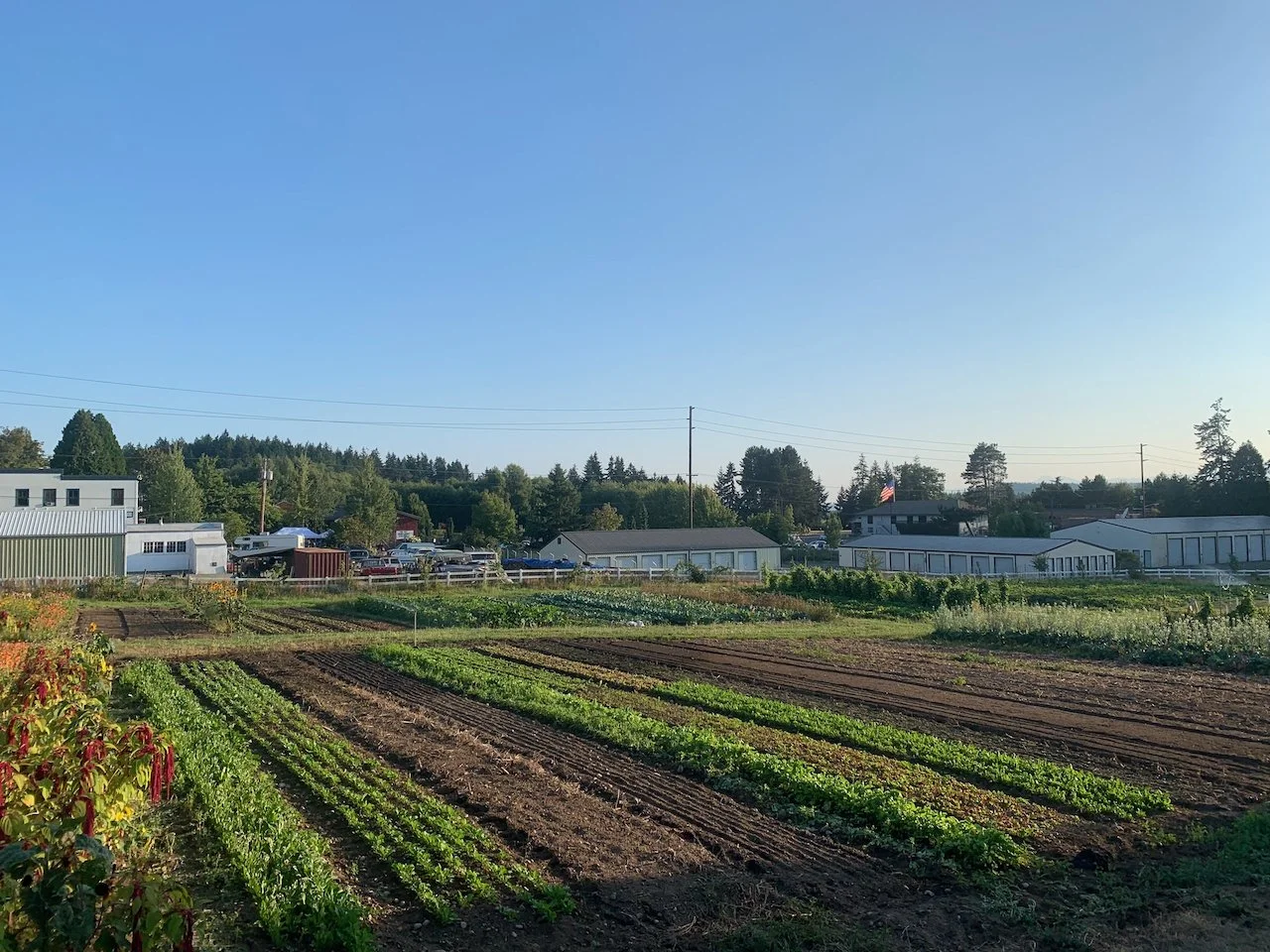
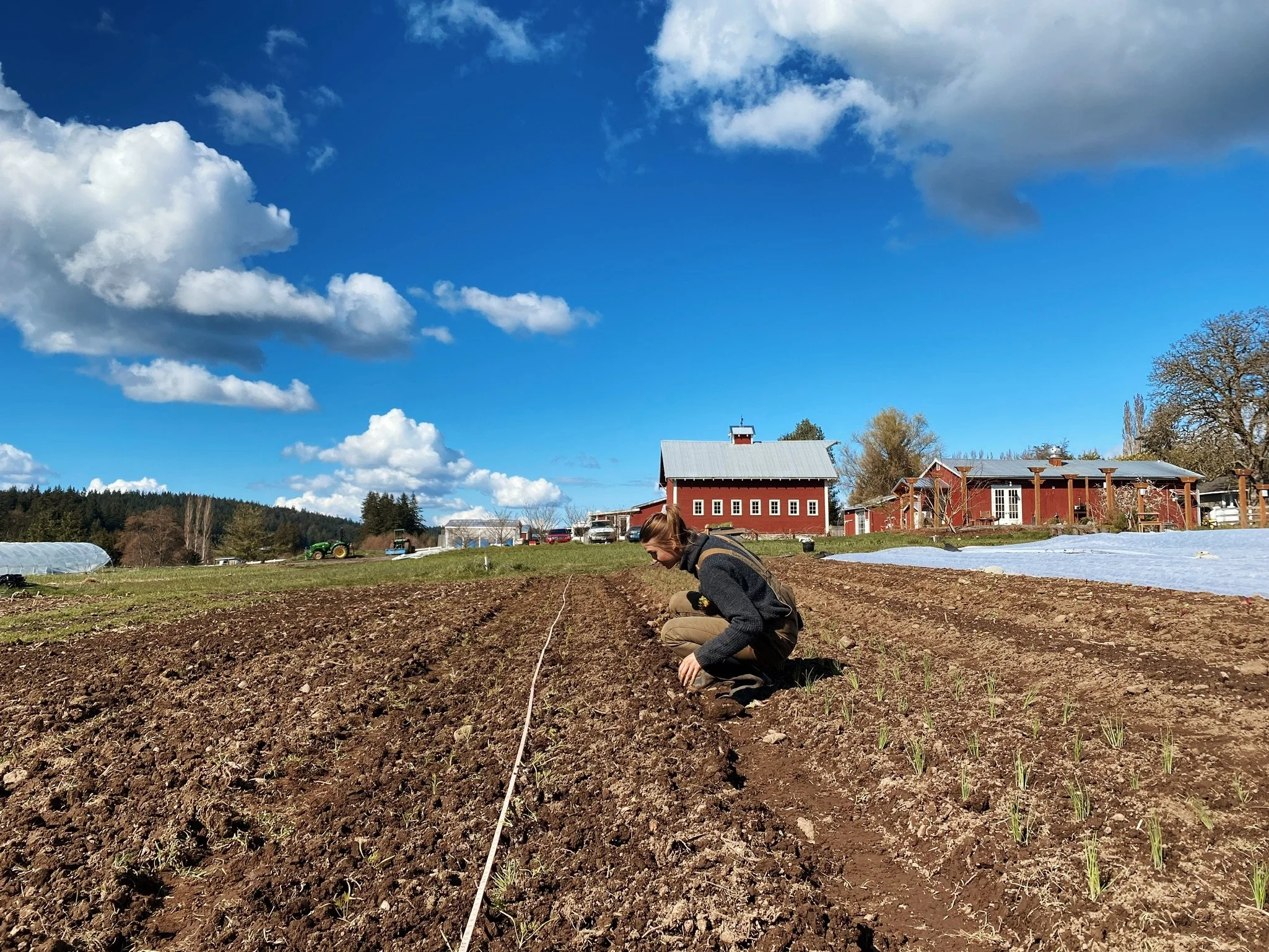
It turned out, though, that we were sitting on what became the most special and valuable part of this property: three and a half acres of Casey Series loam, with a good well and direct southern exposure. The pasture was so alive, so fertile, that it turned into a five-foot-tall sea of thistles that first spring. It was completely out of control. I had to scramble and borrow a tractor and brush hog from my friend to mow it because we did not have any of the tools we needed to deal with this much land.
The fields had been in pasture since at least 1914, and those decades of animals eating and pooping, eating and pooping, had left behind a rich, chocolate-brown loam. This is very uncharacteristic of the soils of Whidbey Island, which is entirely made up of glacial morass, the rocky debris dropped here by glaciers that retreated 10,000 years ago. Soils on Whidbey are thin and acidic and full of clay and rock. What we had was “improved soil” that we inherited through no effort of our own.
Tyla and I would not have even thought to ask about the soils when we purchased the land; so far was farming from our realm of consciousness. Good fortune had smiled on us, and it continued to smile, as farmers and orchardists presented themselves to us, arriving every time we needed them to lead us on the journey of becoming farmers. We have cultivated these relationships, and they have paid huge dividends. (read below for farmer’s perspective)
By Farmer Pat Moote
There are a lot of buzzwords in farming these days: organic, no-till, biodynamic, permaculture, KNF, and the list keeps growing. It’s not meant to confuse, but often it does. The hope is that we can sum up our beliefs and practices with a word or two, and honestly, it just sounds cooler. I’m no different. I’m fascinated by trends but have always leaned into regenerative farming.
Regenerative farming is a broad idea, and I like that. We’re kind of no-till, more like some-till, when it makes sense. I do love compost teas, but I refuse to stir them with my bare hands, so we’re not biodynamic. Are we certified organic? No. We’re “Beyond Organic,” another buzzword that means we’re better. Small pieces of all these ideas appear in our farm plan each year, but the basic foundation is the same: you can’t grow healthy food without healthy soil.
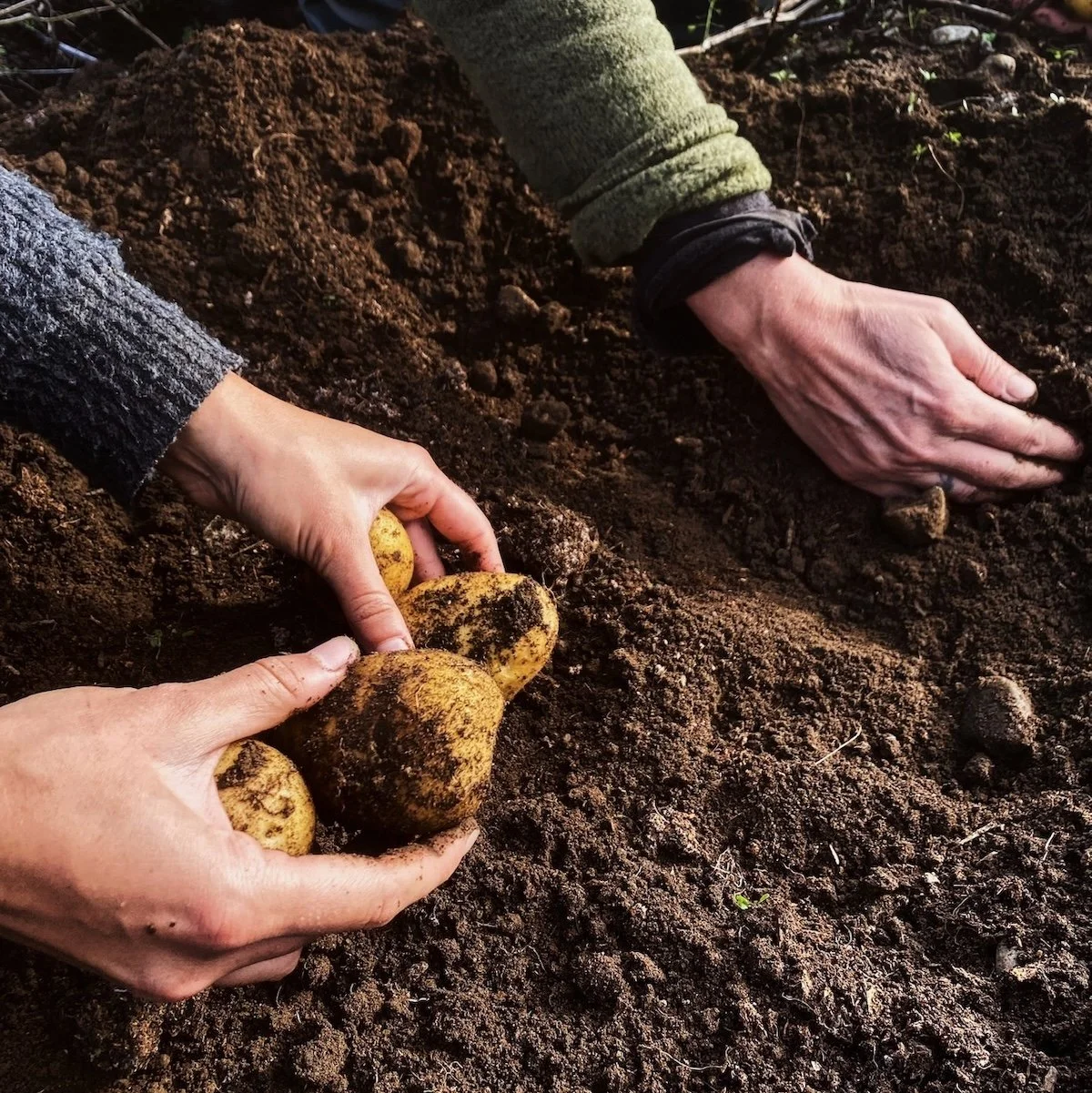
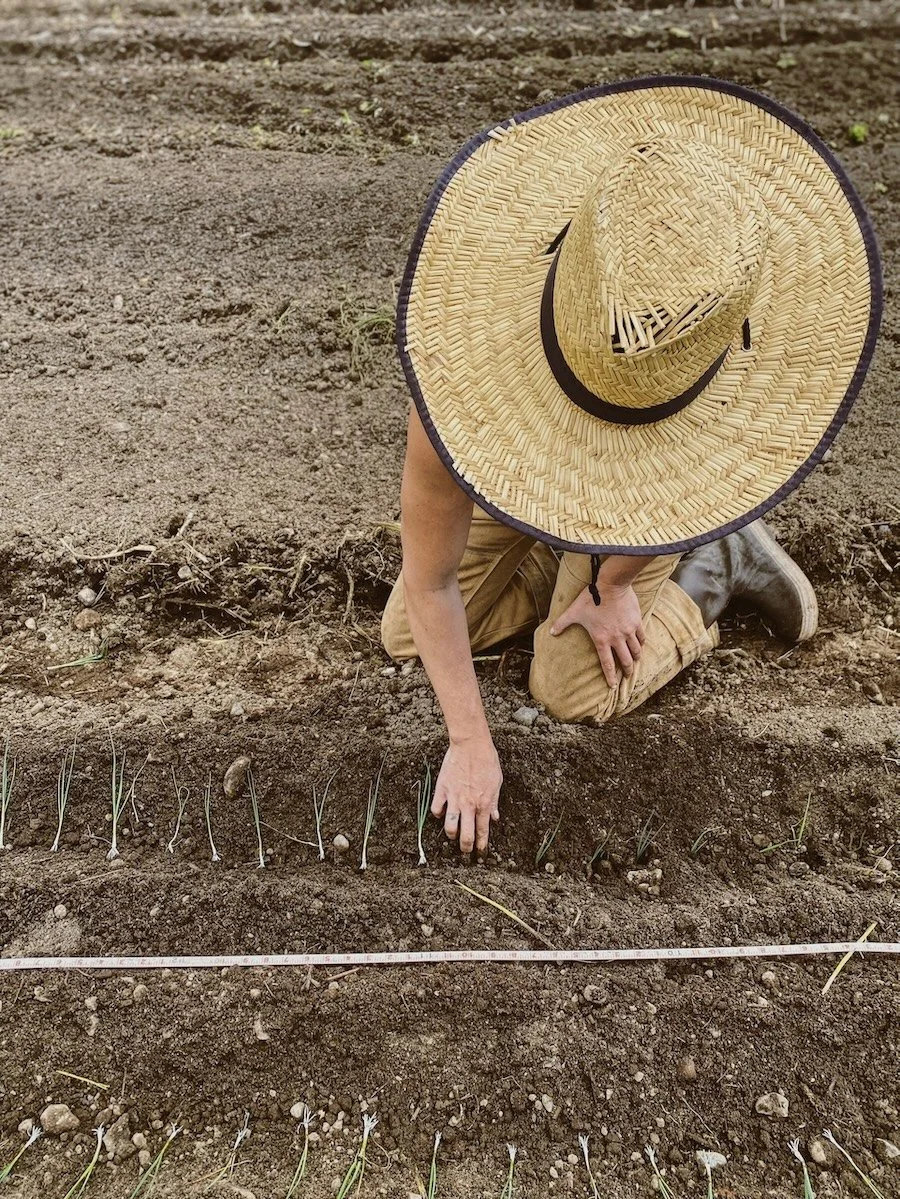
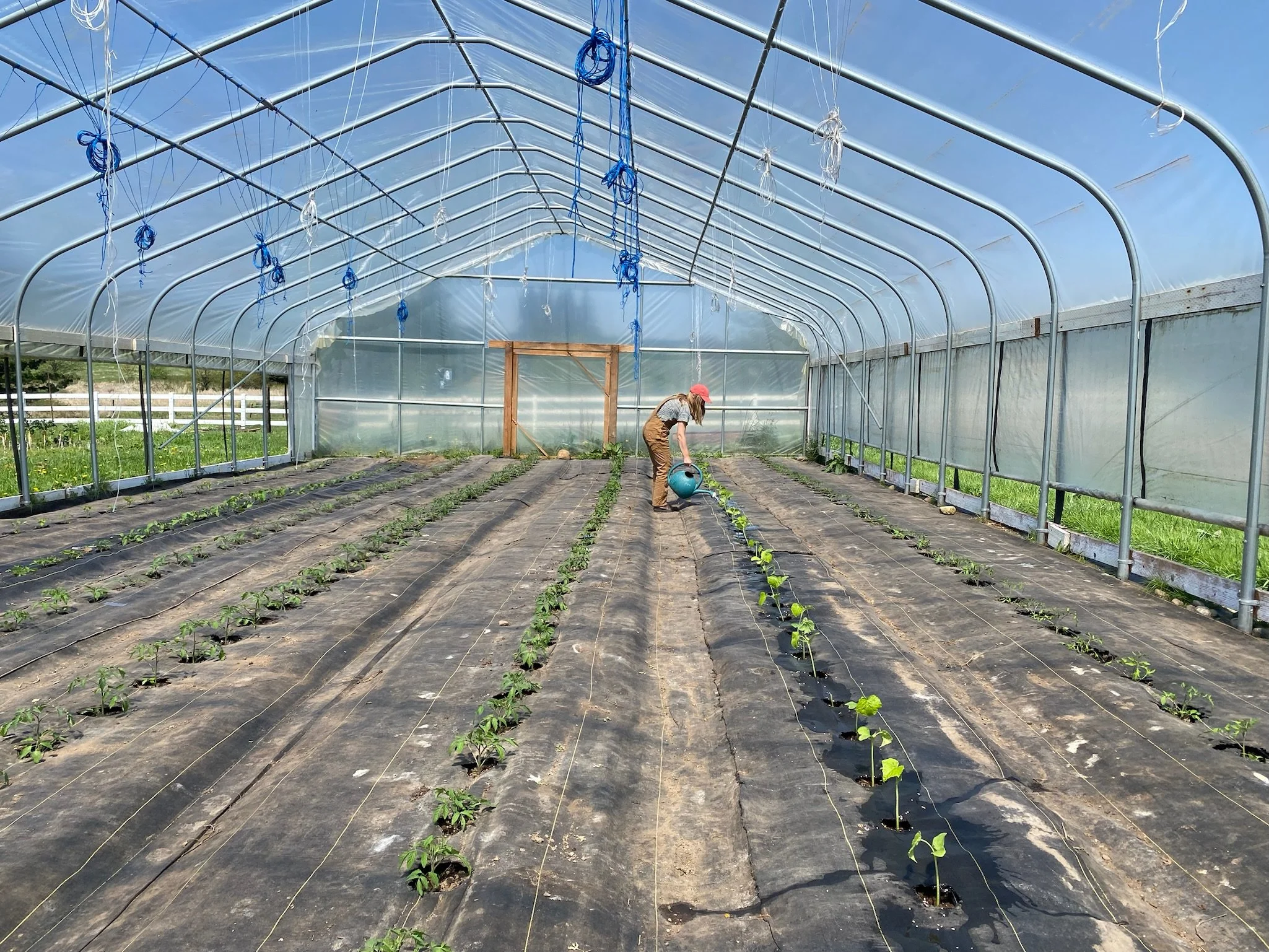
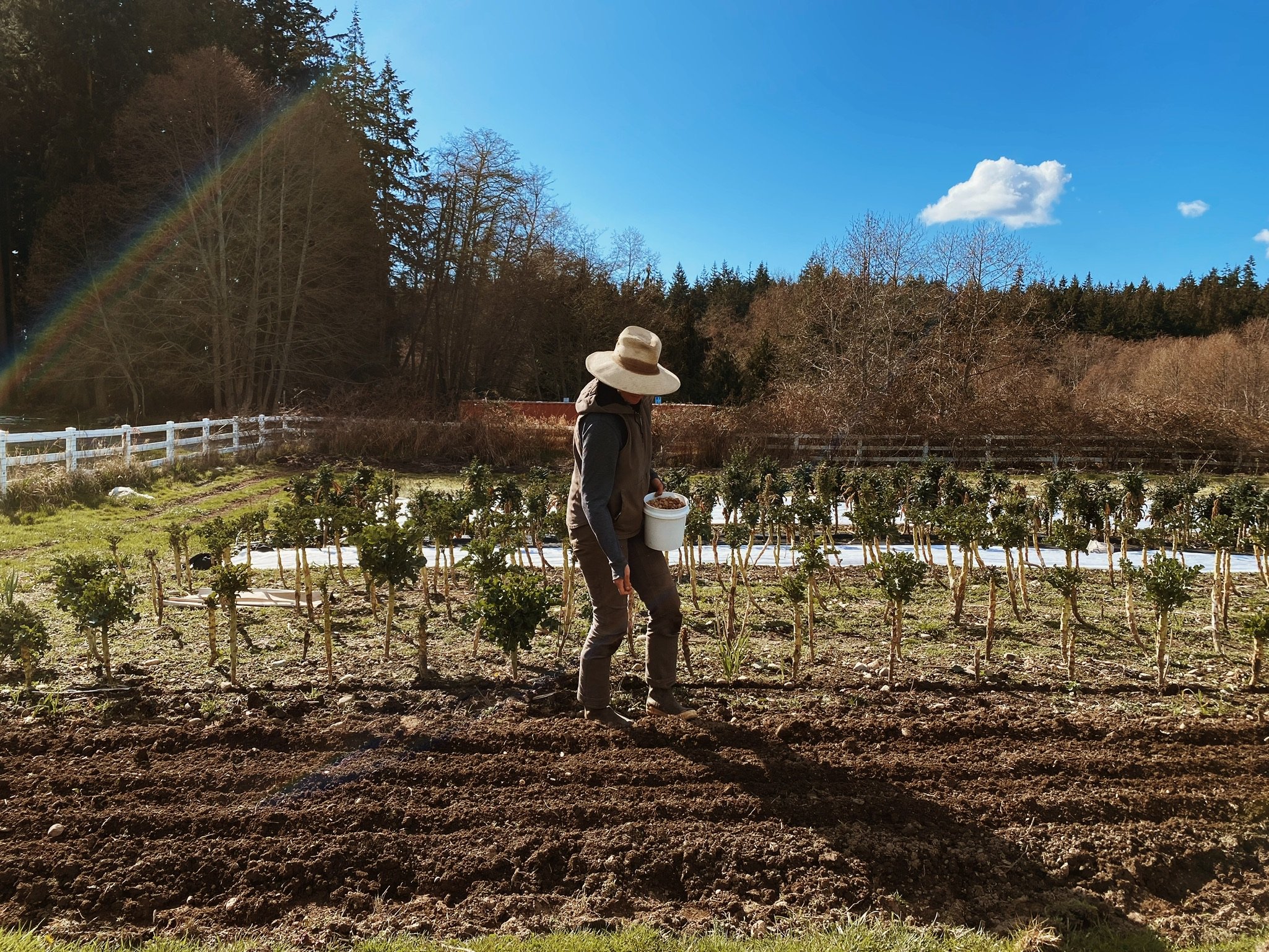
The last couple of months have been spent putting together our farm plan for the season. I need to know when to seed, when to plant, where to plant, and when to harvest every variety we put in the ground. That is only half the planning. All that work is about what we’ll take out of the soil; what’s equally, if not more important, is what we put back. I feel incredibly fortunate to work with the rich, heritage soil we have at the farm, but that does not mean it’s an endless resource. Soil is a living thing, and it can only support us as long as we support it. Regenerative practices like minimal tillage, cover cropping, and rotations are some of the ways we do that. Based on recent soil tests, it’s working. Plus, the vegetables taste amazing, which is usually a dead giveaway.