The Restaurant
Orchard Kitchen is our restaurant and farm on Whidbey Island, rooted in seasonality and place. Our menu is driven by what is growing just steps from the kitchen, with every course featuring ingredients from our farm and nearby producers. Set on a century-old hay and cattle farm, you will dine in the historic barn and farm buildings. Dinner begins with a welcome bite and Chef’s personal introductions, and then unfolds at a communal table through eight courses. Menus are an expression of the moment; no matter when you dine with us, our northerly latitude sets the tone.
The Experience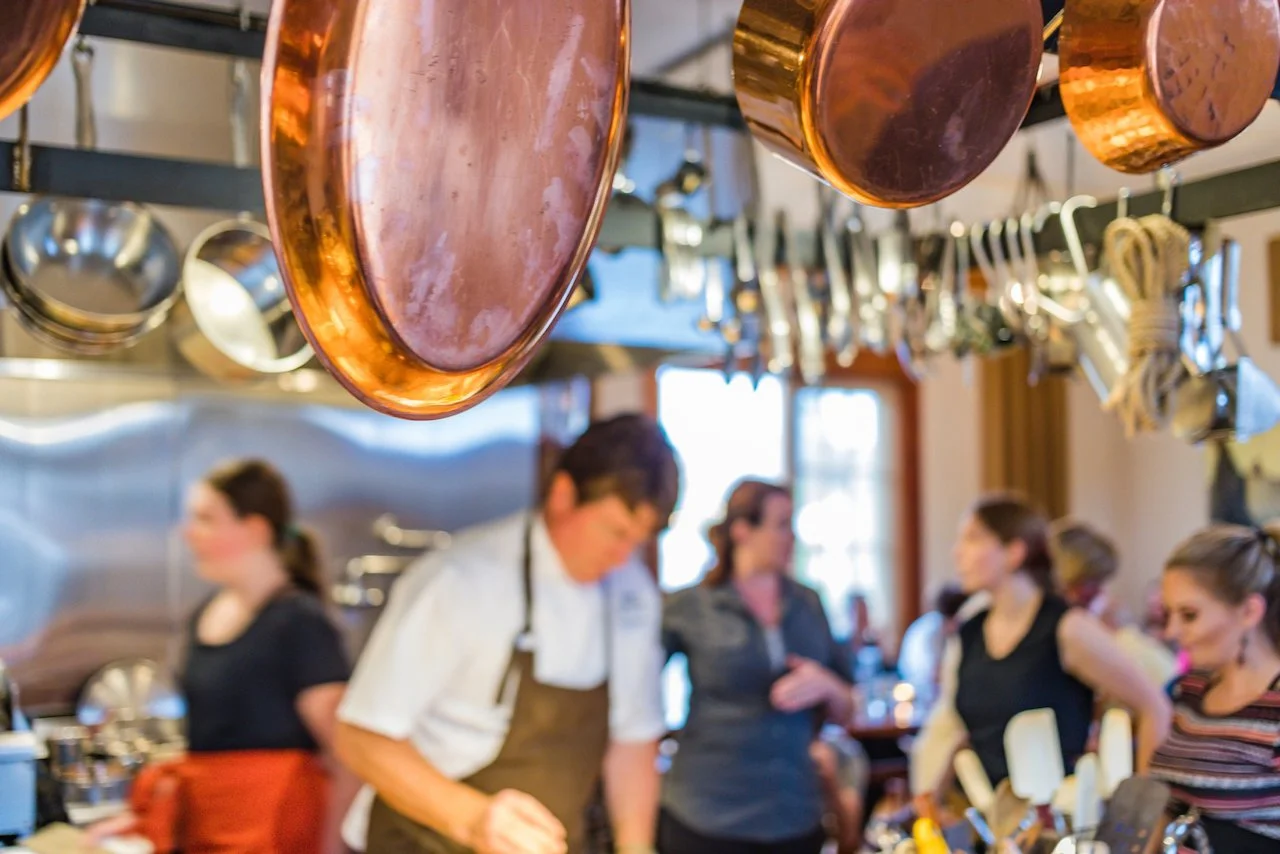

The Farm
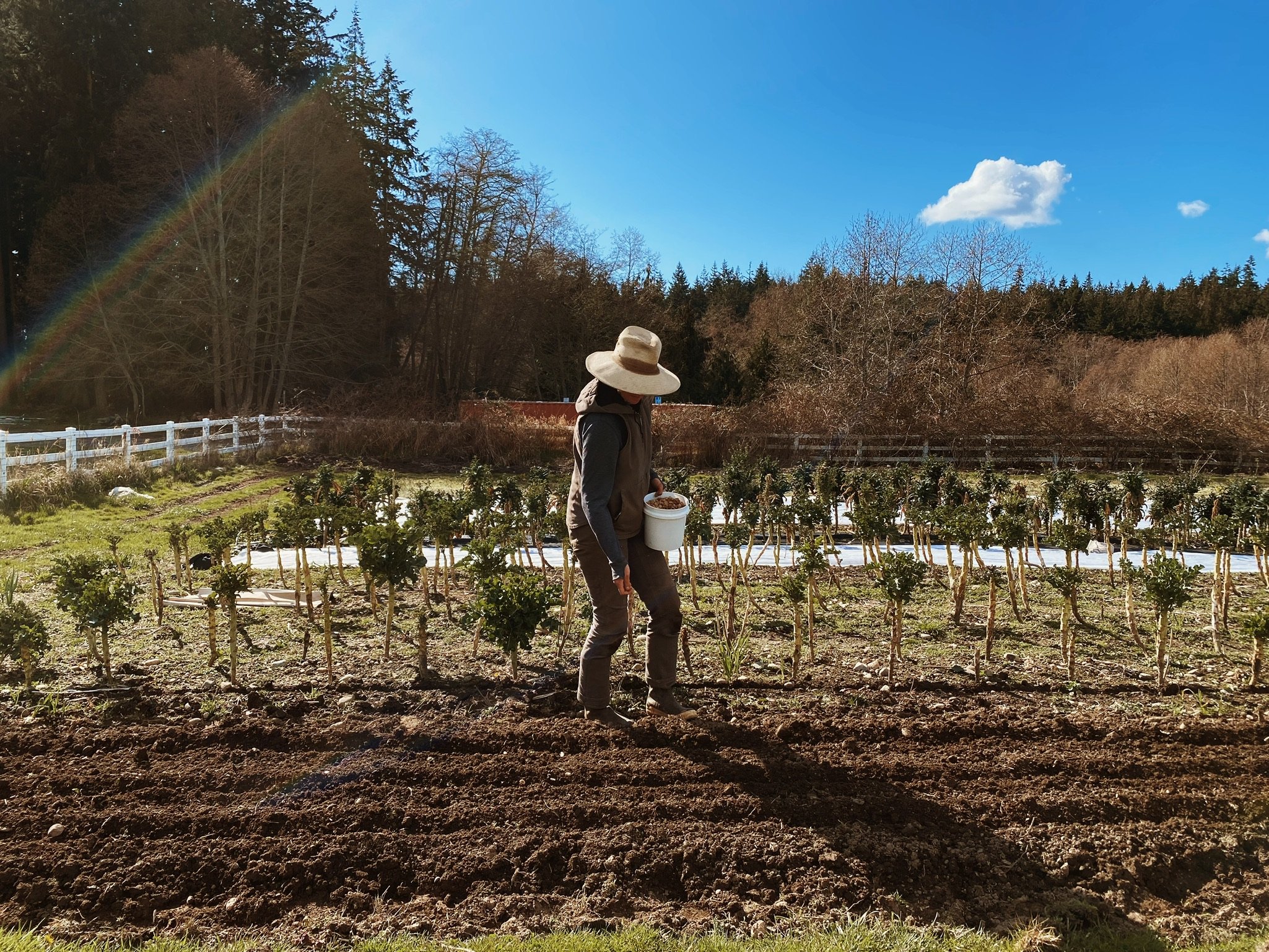
The farm surrounds Orchard Kitchen and provides the foundation for the menu. Just beyond the dining room, the fields and orchard stretch across the property. What is at its peak is what the kitchen prepares each week.
The growing season does not end when the harvest slows. Throughout the year, the kitchen preserves what the farm produces at its peak. Vegetables are fermented, fruits become preserves, vinegars, and cider, herbs and produce are carefully dried, and grains are dried and milled. These preparations allow the flavors of summer and autumn to carry forward into winter, ensuring that the farm continues to direct the menu in every season
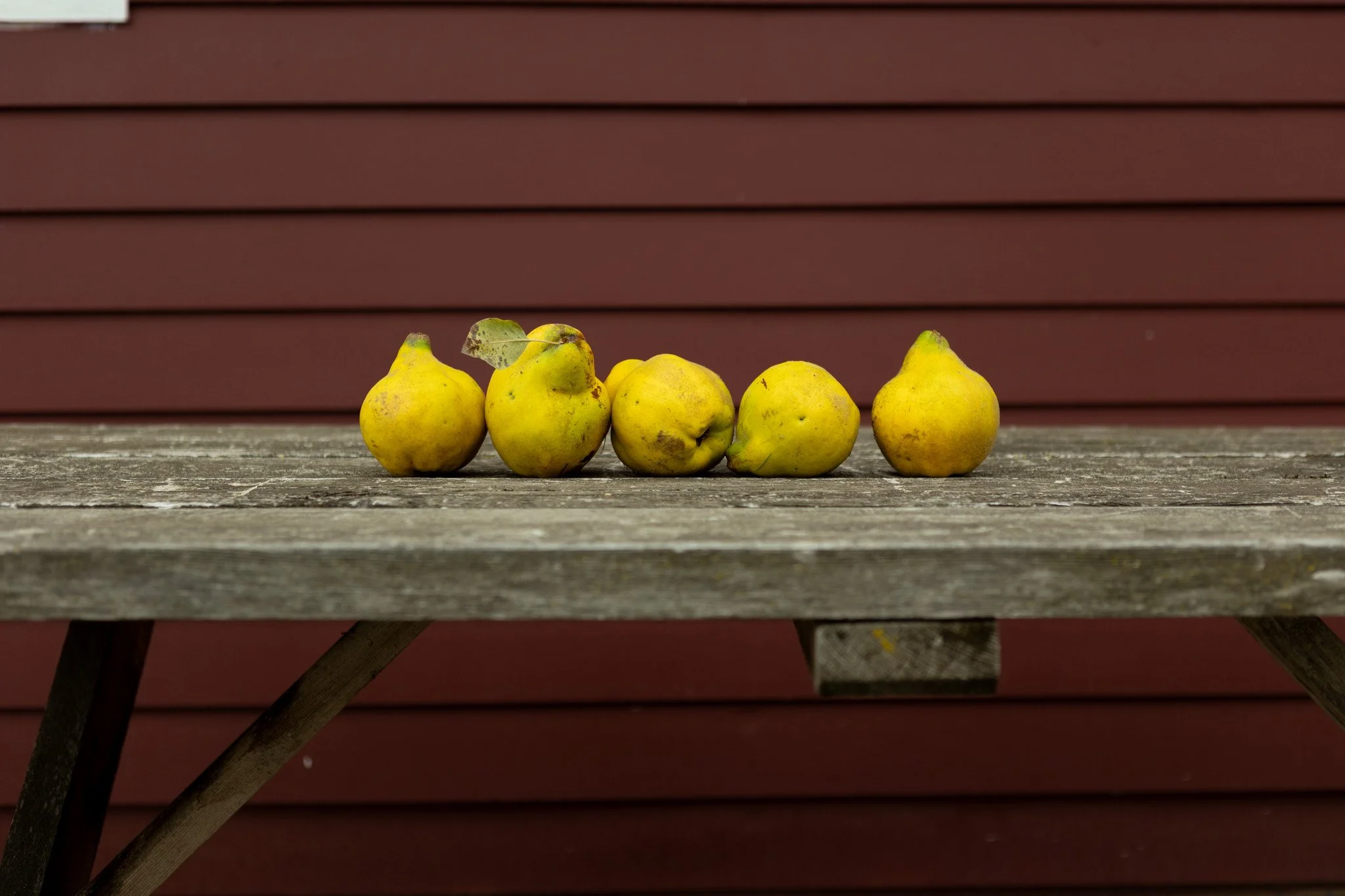
At Orchard Kitchen Farm, we cultivate a diverse range of crops of more than 200 varieties. Alongside our annual plantings are perennial veggies including asparagus, rhubarb, strawberries and currants. The orchard holds many heirloom varieties of apples, pears, plums, and quince, as well as figs & mulberries. We house a small flock of heritage hens in a mobile unit that provide eggs for the kitchen.
About the farm


Journal
NOTES FROM THE FARM & KITCHEN


Featured in