
Preparation & Momentum | Setting the Table Again
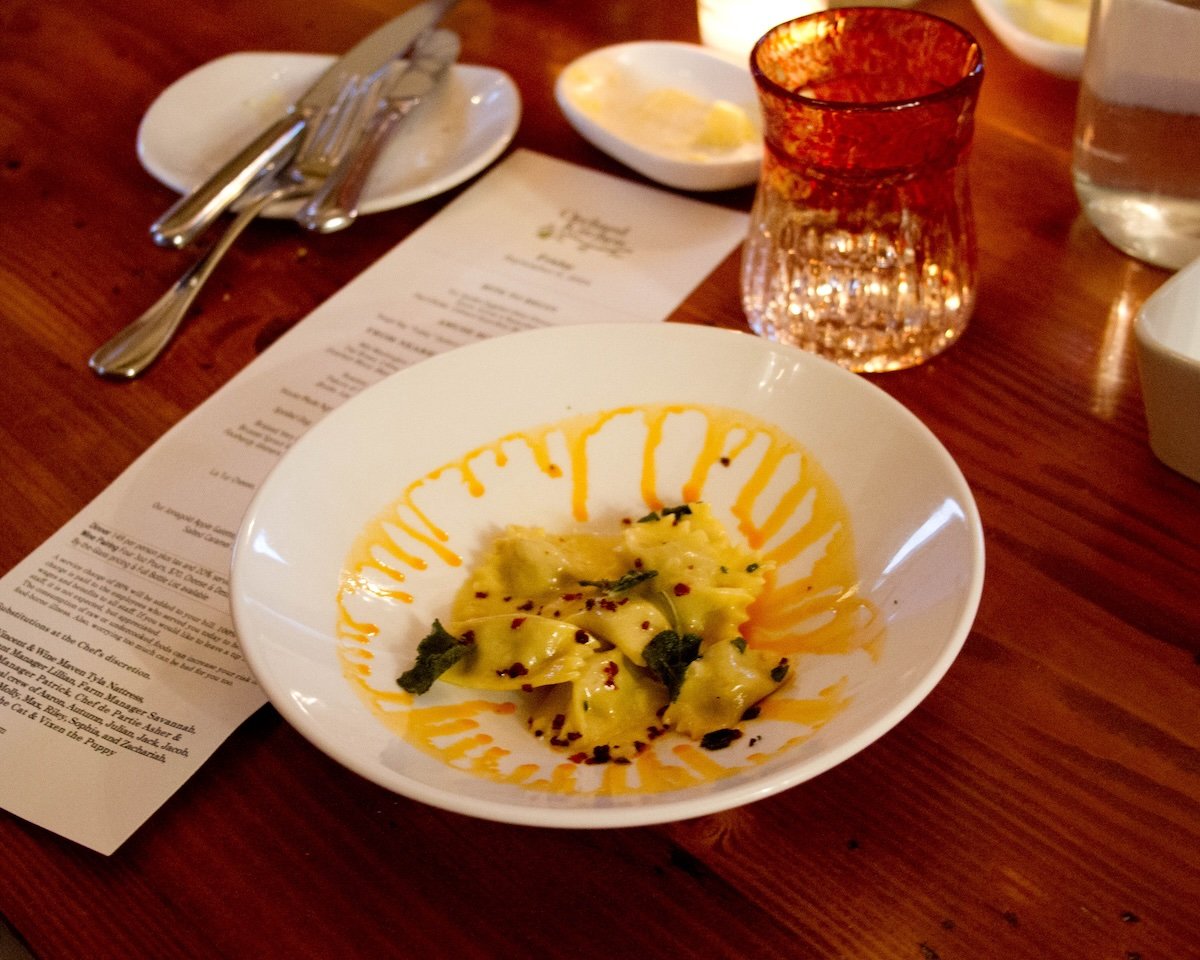
Excited to start working again!
by Vincent Nattress
Orchard Kitchen has become the hub for food on our island, as well as the favorite dining destination for a loyal cadre of supporters. It’s not a normal restaurant. We want our guests dining experience to be more like going to a dinner party than to a restaurant.
If you dine with us, you are probably going to be seated at a communal table with people you have never met before. And you may have to share. You will not get to choose what you eat. The menu is determined by what is growing right outside the dining room. If you were here in the summer, you saw it growing in the field all around you. If you come here during the Big Dark, you are just going to have to take my word for it; the sun went down before you arrived.
Regardless of season, there is a full, functioning farm out there, and it’s not there for show; that’s actually where our food comes from. No bullshit. We walk the talk, daily.
Simple.
And a little crazy. Opening a restaurant in which the owners have decided they know better than the guests what they should eat shows a lot of hubris. But then again, so does thinking that it’s okay to eat asparagus in Washington in January. Many of the decisions Americans make today about food are absolutely nuts, and yet we have come to see them as totally normal, even natural.
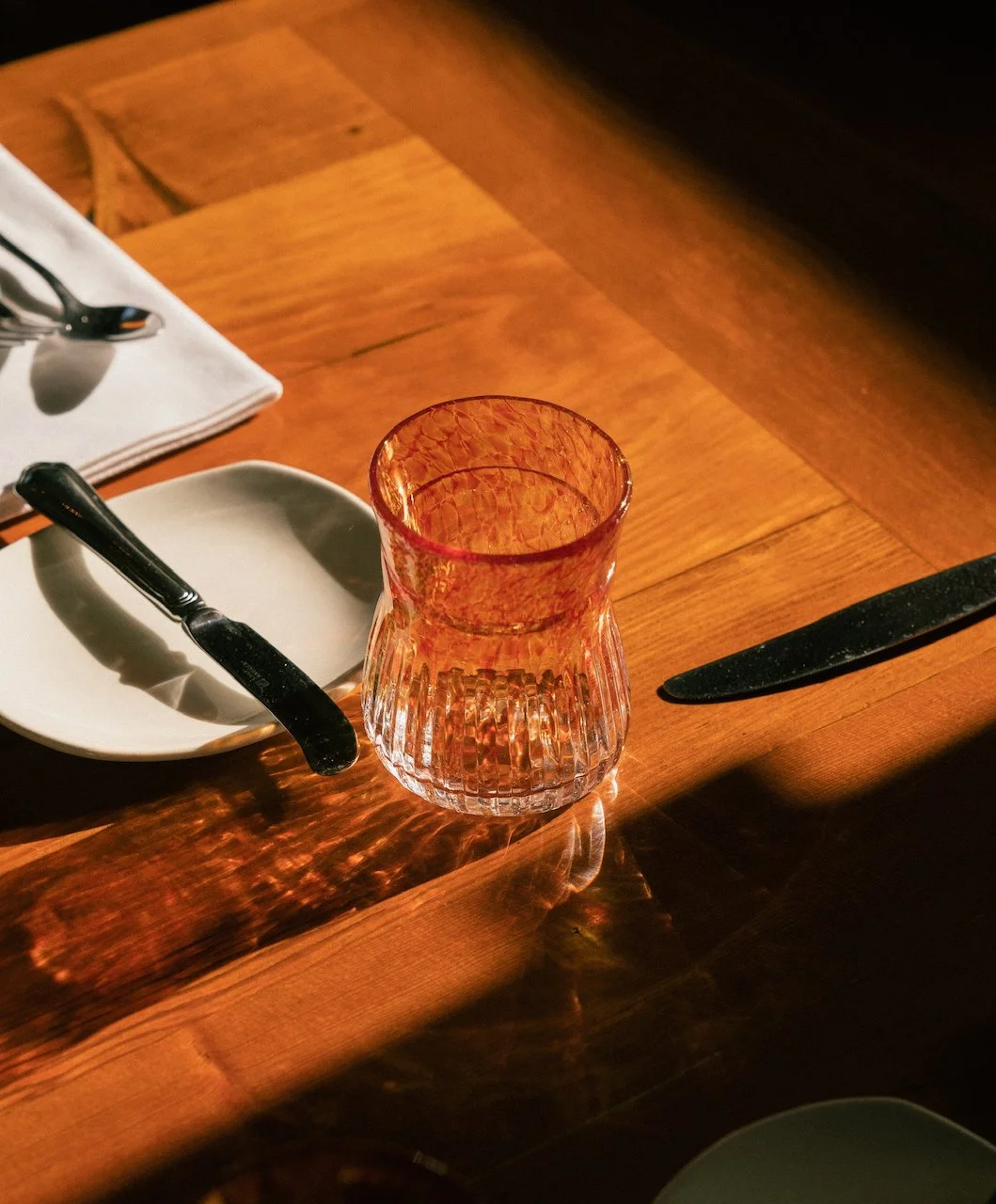
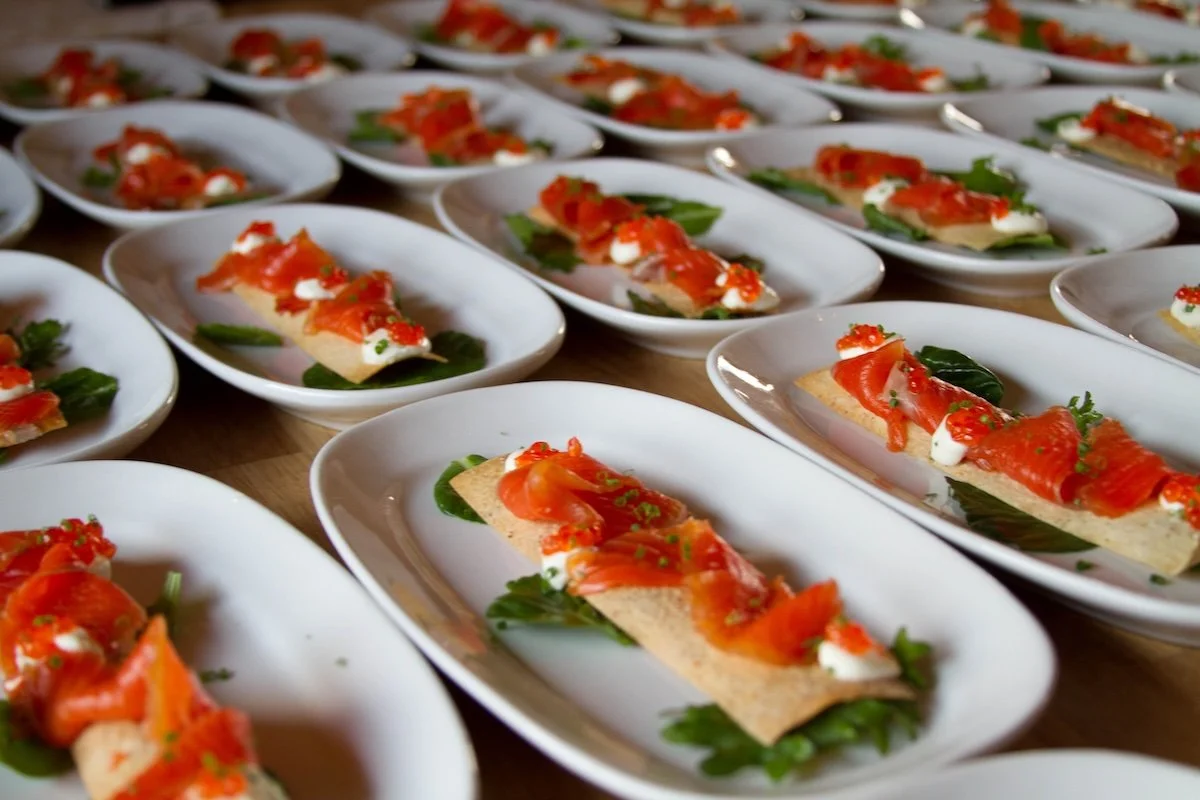
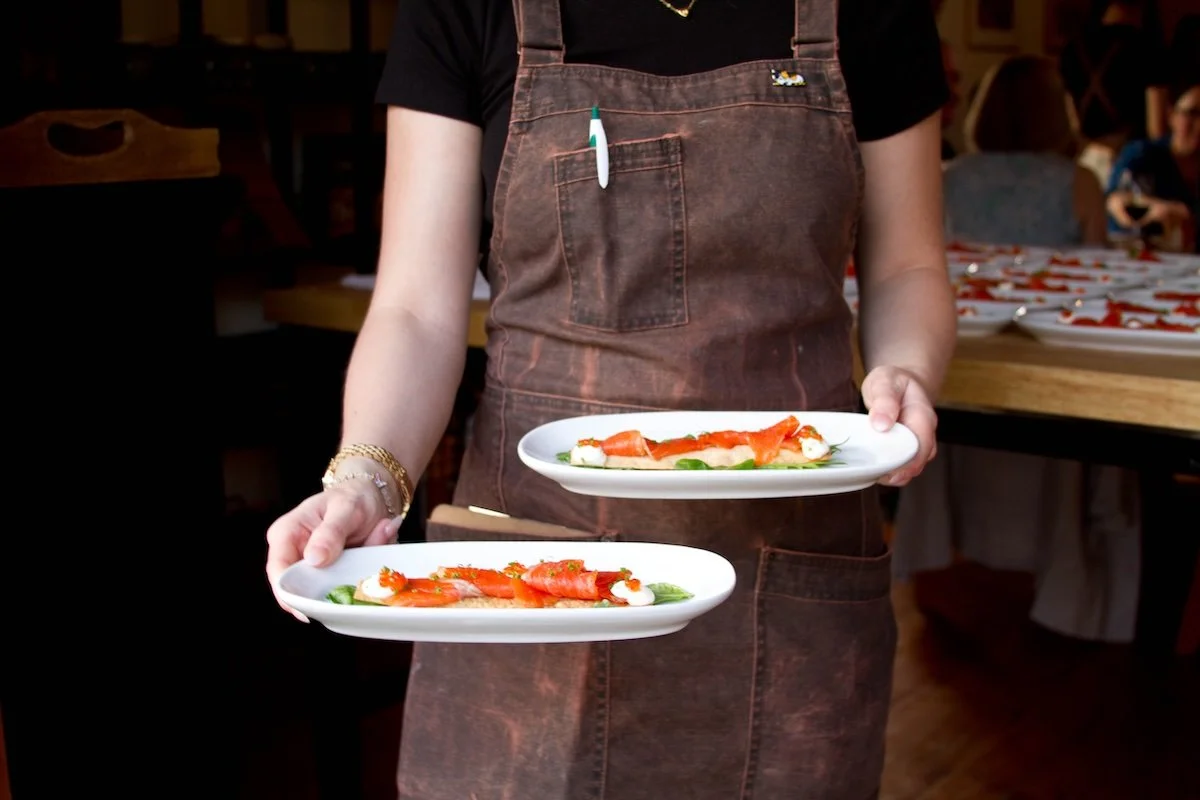
What We Like to Call "Menu Sudoku"
From Chapter 5 – Menu Planning and the Importance of Limiting choices
Our menu planning always starts with what the farm is providing us and the feeling of the season. Weather and length of day controls both of those, just as they change what we want to eat. Narrowing our focus is incredibly important in aiding with creativity. Each week the farmers give the kitchen a “Fresh Sheet”, or list of what is available from the farm at that moment. In late summer the list is as long as my arm, and the hardest part is trying to find ways to elegantly include so many different and delicious treats. In mid-winter, when we have our most limited availability, the challenge is not repeating preparations each week.
I have created a framework to guide the process regardless of season. Each dish is created with a specific set of parameters in mind, and each menu has a structure that we follow throughout the year. Resolving these problems elegantly is what I have termed “Menu Sudoku,” putting together menus so that they achieve the following goals:
• Each week’s menu has the same structure, eight courses from Bite to Begin through dessert.
• Each menu needs to have its own internal logic. It needs to have rhythm and have an arc from start to finish.
• Contrast and diversity of flavor, texture and temperature are vital. No repeats.
• Each course needs to feature something from the farm.
• Each course affects the next course and is affected by the previous course. A cold first course needs to be followed by a warm second course, and so on.
• Courses should provide contrast to one another; soft followed by crunchy, light followed by heavy, funky and challenging followed by soothing, etc.
• The flavors of one course cannot overpower or adversely affect those of subsequent courses.
• The meal as a whole needs to be balanced, giving diners a diverse experience of flavors, textures, temperatures, contrasting visual and aroma experiences, and those contrasts should be harmonious, not jarring.
• The overall meal should provide just enough quantity of food and leave the guests neither hungry nor too full. When dessert arrives, the guest should still be just a little hungry. After mignardises go out, no one should still be hungry.
• Because we have repeat guests, we won’t repeat items for at least four weeks
• Surprise the guests. Always include an additional small course not listed on the menu. We always strive to exceed expectations, and surprises help us do that.
• Finally, now that I have listed all these rules: Don’t make any hard-and -fast rules. This is food, not religion.