A Summer of Plenty of Fun
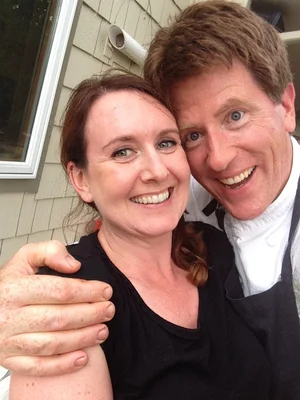
Our season has been filled with smiling faces and happy tummies.
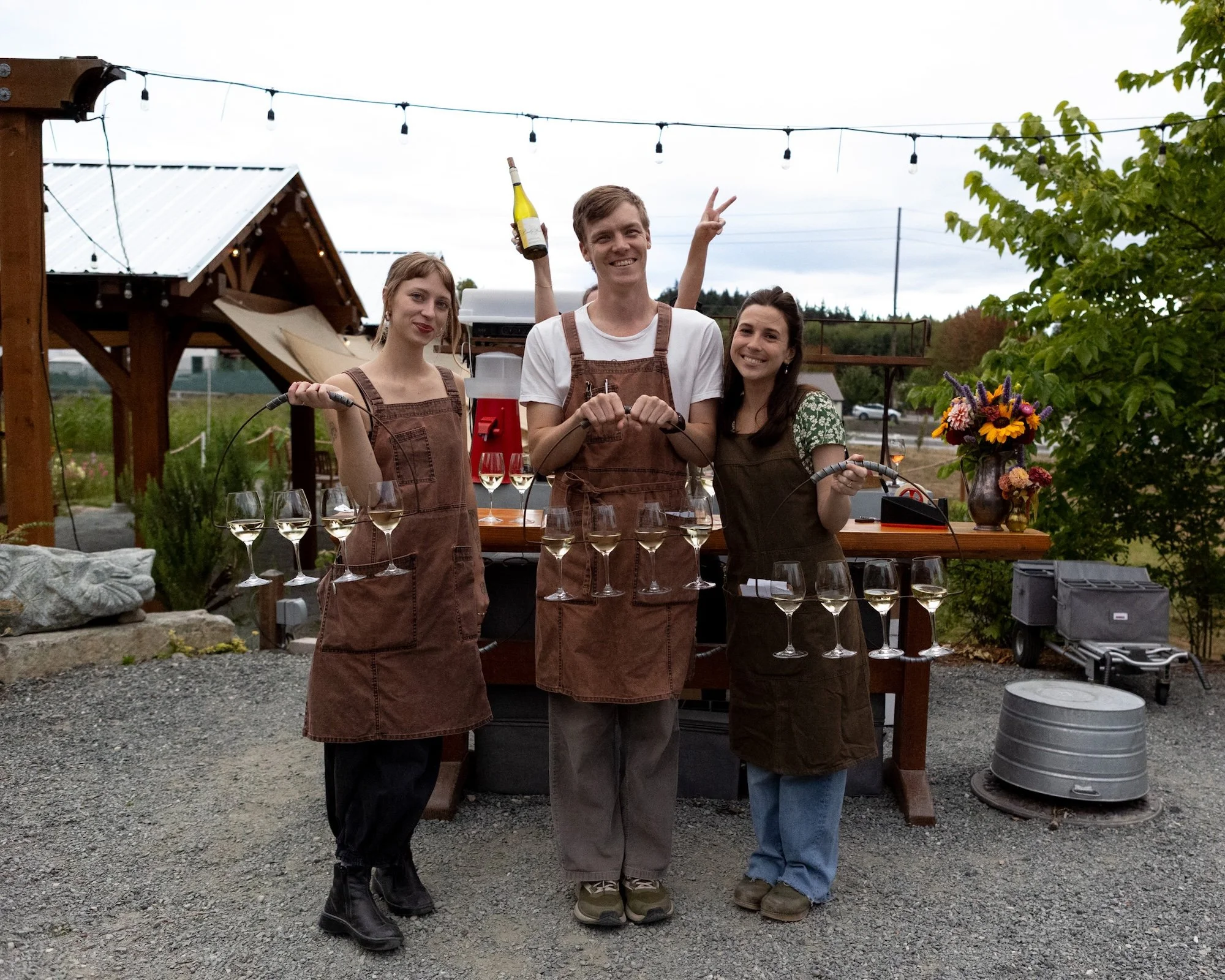
Things are always in flux this time of year. Our amazing summer staff is dwindling. The students among them are slowly heading back to school, and we are in the midst of reconfiguring our crew to finish the end of the season. We have hired some new crew members and others are changing roles to get us through what remains of the peak season.
Our summer patio experience is almost over, and we are beginning to think about fall and the holiday seasons; not because we are ready, but because you all start asking about our Locals’ Nights and Thanksgiving offerings this time of year.
It’s great to see that many of you are planning ahead while we move tables on and off the patio, depending on the summer wind and rain, in what might look like random chaos.
A farm to table restaurant requires you to be present with the current season's offerings while diligently preparing for the next. It's not only a change in weather and staffing but it's also what produce will be available on the farm as cooler temps and shorter days return.
Chef’s Notes
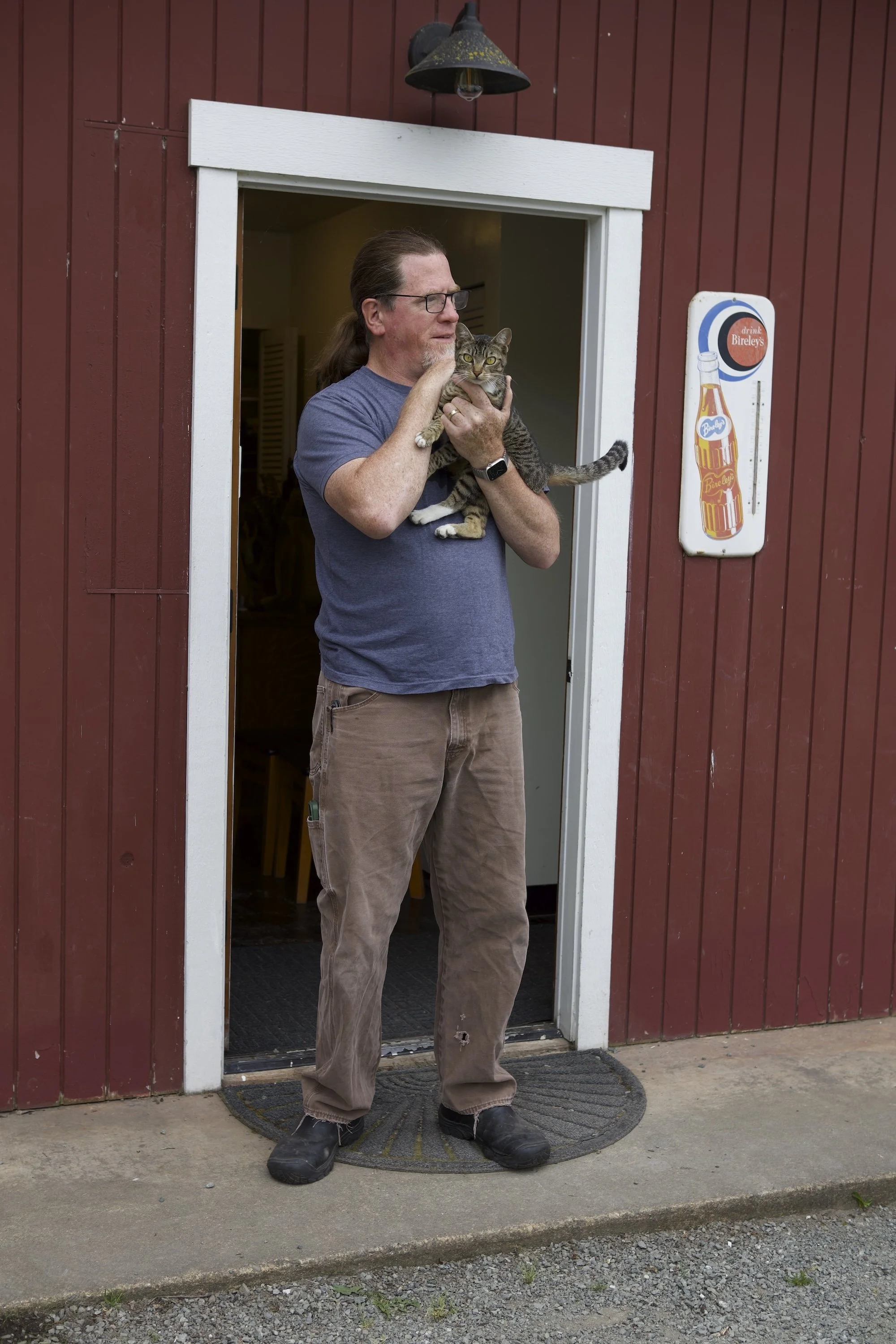
When we created our plan for Orchard Kitchen, top of mind for me was creating a workflow–within each day, each week, and through the arc of each year–that would allow us to live our lives well.
The primary factor was having a life to work balance that would not adversely affect our two small daughters, Maggie and Molly. Typical restaurants, open for lunch and dinner, five, six, or seven days a week, can suck every minute of your attention, leaving little left for life outside of them. The three-day-a-week restaurant service we adopted assumed that we would have an additional day of food preparation and another day or so dedicated to shopping, chores, repairs, and maintenance, leaving us with a very humane-by-restaurant-standards five-day work week.
Summers have always been different. The ancient farm adage “Make hay while the sun shines” is very apt. We do about 40% of our annual sales in July, August, and September, and we open that fourth day, Sunday, to take advantage of the demand from visitors to the island that really exists in the summer.
From the crew’s perspective, we all look forward to the excitement and demands of summer–the time of year when the product from the farm changes the most each week and is most seductive–and the back-to-back-to-back weeks of overtime take their toll. All the while, we have the added work of drying tomatoes, canning sauce, making apple butter, processing tomato water, and generally taking full advantage of what the season’s bounty gives us. These are the things that will help carry us through the fall and winter. As we get ready for next week—the last four-day week of the year—we are all ready for the schedule to slow back down again.
And so, once more into the breach we go! The last hurrah of summer is upon us!
From the Farm
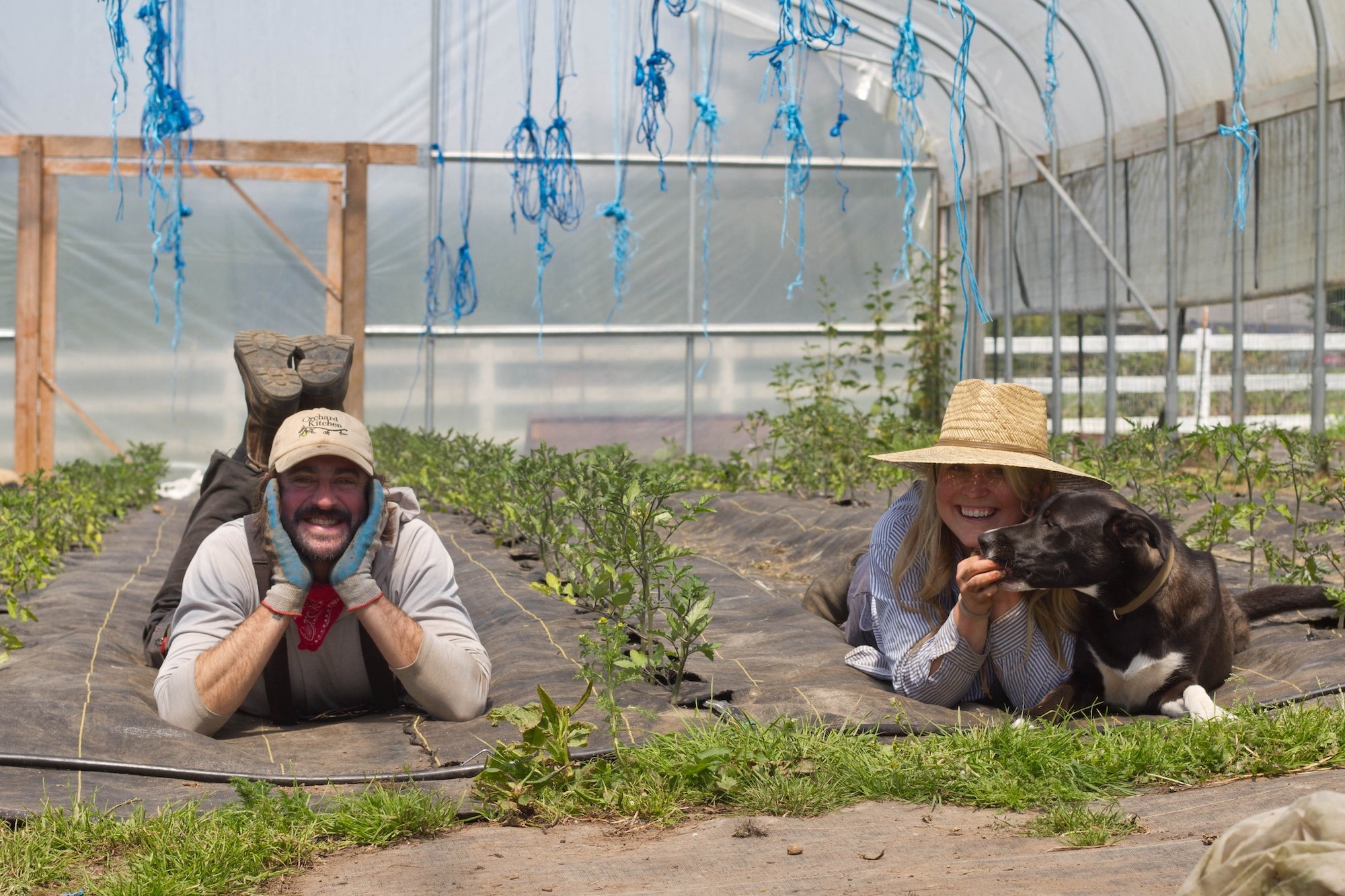
We’re in the dog days of summer. At this point in the season, the farmer is feeling strained and stressed and can be hard to keep on task.
What does “dog days” mean, anyway? Where did that originate? Do dogs even have days? I know they have years, but it’s a 7:1 ratio. I’ve heard it since I was a child: “One human year is the same as seven dog years.” So, is it the same with days? That would mean one dog day is actually seven days, which would technically be a dog week.
If a dog day is actually a dog week, then dogs have no days at all. There’s just no way to break down a single day by a multiple of seven that works logically. That means dogs only have weeks, which makes the saying “dog days of summer” nonsensical at best.
What we should say is “the dog weeks of summer,” in reference to a single day feeling as long as an entire week. If everyone on Earth could please make that edit to this idiom for me, that would be great.
Shoot. I can’t remember what I was actually supposed to be writing about…
-Farmer Pat
Head to Toast to book your Fall Experience with us. Reservations available Thursday through Saturday until the end of 2026.